
Less rushing, more relaxation
Fewer transfers and a more manageable itinerary leave you with time to rest, enjoy the surroundings, and return home feeling less exhausted.
Fewer places, longer days, and journeys that fit the time you actually have.
In our rush to see as much as possible, as quickly as possible, we often reduce destinations to a checklist of tourist attractions, exhausting ourselves and adding to the pressure on the places we visit.
Slow travel takes a different approach. You stay longer in fewer places, giving yourself time to explore beyond the usual attractions, understand local cultures, appreciate beauty of little things and have meaningful conversations. Instead of rushing from one place to another, you have the freedom to explore at your own pace and experience more of everyday life.
Often, the most memorable parts of a trip are the people we meet and the experiences we share. A conversation with a local, a meal at a small family-run restaurant, or an afternoon spent exploring a village can be far more rewarding than ticking another attraction off your list. Spending more time in one place also gives you the opportunity to build connections with locals and fellow travellers, creating memories that last long. Sometimes these relationships build into lasting friendships.
Slow travel doesn't mean following a fixed set of rules. What feels like a comfortable pace for one person may feel too slow or too rushed for another. It could mean enjoying a cup of coffee at a local café, taking an unhurried walk through nature, or simply reading a book beside a quiet pond. The idea is to find a pace that works for you and leave room to enjoy the journey, not just the destination.
Slow travel can help reduce the environmental impact of tourism and support local communities, depending on the choices we make along the way.
Being a responsible traveller means not littering, respecting local cultures, and being mindful of the pressure tourism puts on resources at popular destinations. But can we do more than simply avoid causing harm? Can our travel choices also benefit the places we visit?
Spending more time in one place gives us the opportunity to make more thoughtful choices about where we stay, eat, and shop. Buying handmade crafts, textiles, and locally sourced products can support local artisans and farmers, helping sustain livelihoods and preserve traditional skills.
Eating at family-run cafés and small local restaurants is another simple way to support the local economy. These places often offer a taste of regional food and everyday life that larger, more commercial establishments may not. Visit when things are quieter, and you might even get to chat with the owner and learn a little about the food, the family, or the place itself.
These choices may seem small, but together they can make travel more responsible and rewarding, both for us and for the communities we visit.
Fewer transfers and a more manageable itinerary leave you with time to rest, enjoy the surroundings, and return home feeling less exhausted.
Staying longer gives you time to notice local routines, explore beyond the main attractions, and learn about the area's culture and history.
Conversations with homestay owners, shopkeepers, guides, and fellow travellers can become some of the most memorable parts of a trip
Choosing local stays, eating seasonal food can support local livelihoods and help limit your environmental impact
When you are not constantly moving, small moments have room to stay with you: an unexpected conversation, a favourite local meal, or an evening spent watching the changing weather
A few basic elements of slow travel.
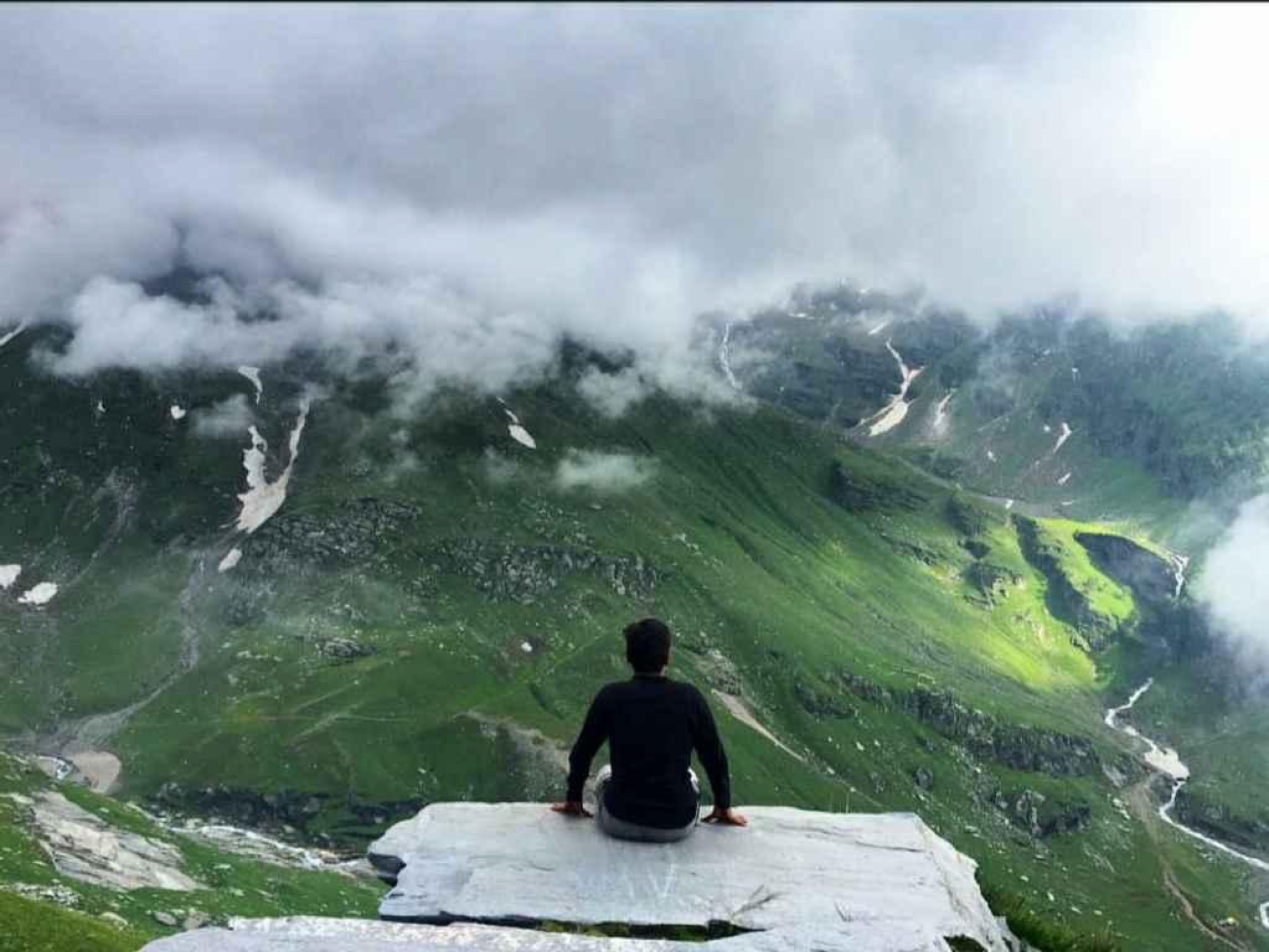
Choose fewer destinations and spend more time in each one. Use one place as a base and explore the surrounding area at a comfortable pace
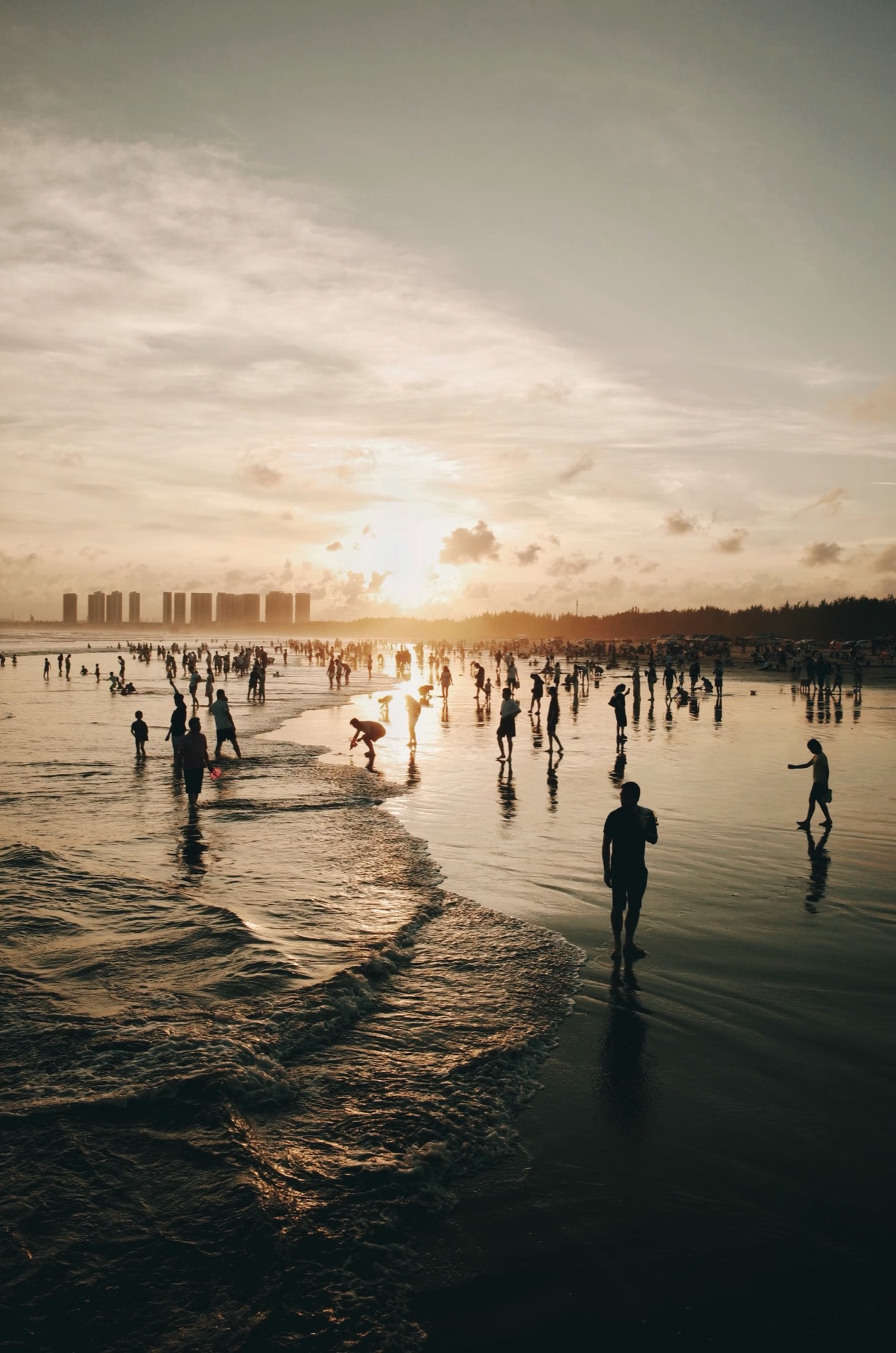
If a viewpoint, a ghat, or a hill town is already full, another hour or another base is often the kinder choice. A weekday, or a stay just off the busiest lane, leaves more of the place intact for the people who live there, and for you.
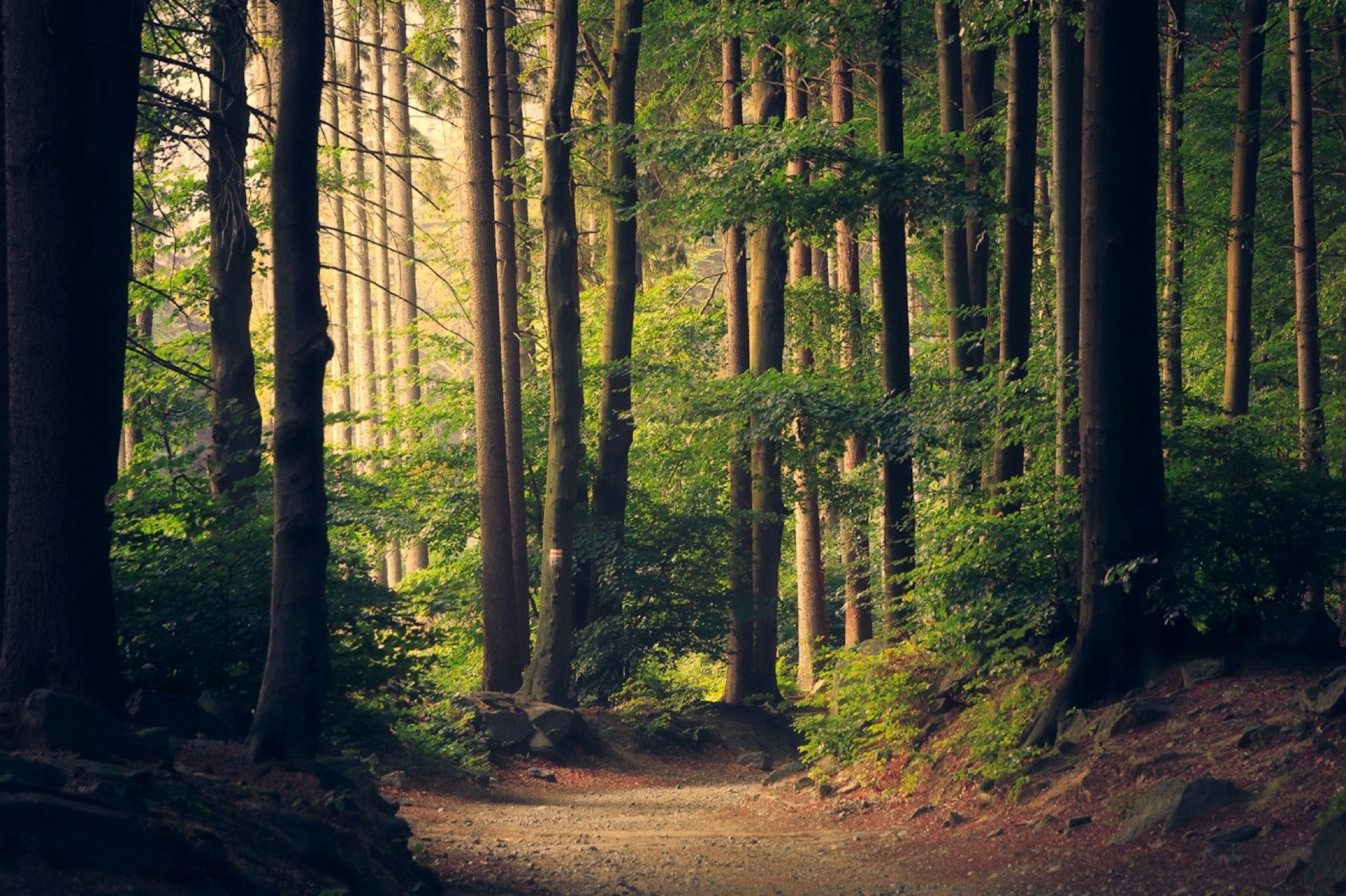
Carry your waste back, respect wildlife, follow local rules, and be considerate of residents. Avoid disturbing natural spaces just to get a photograph or reach a particular spot.
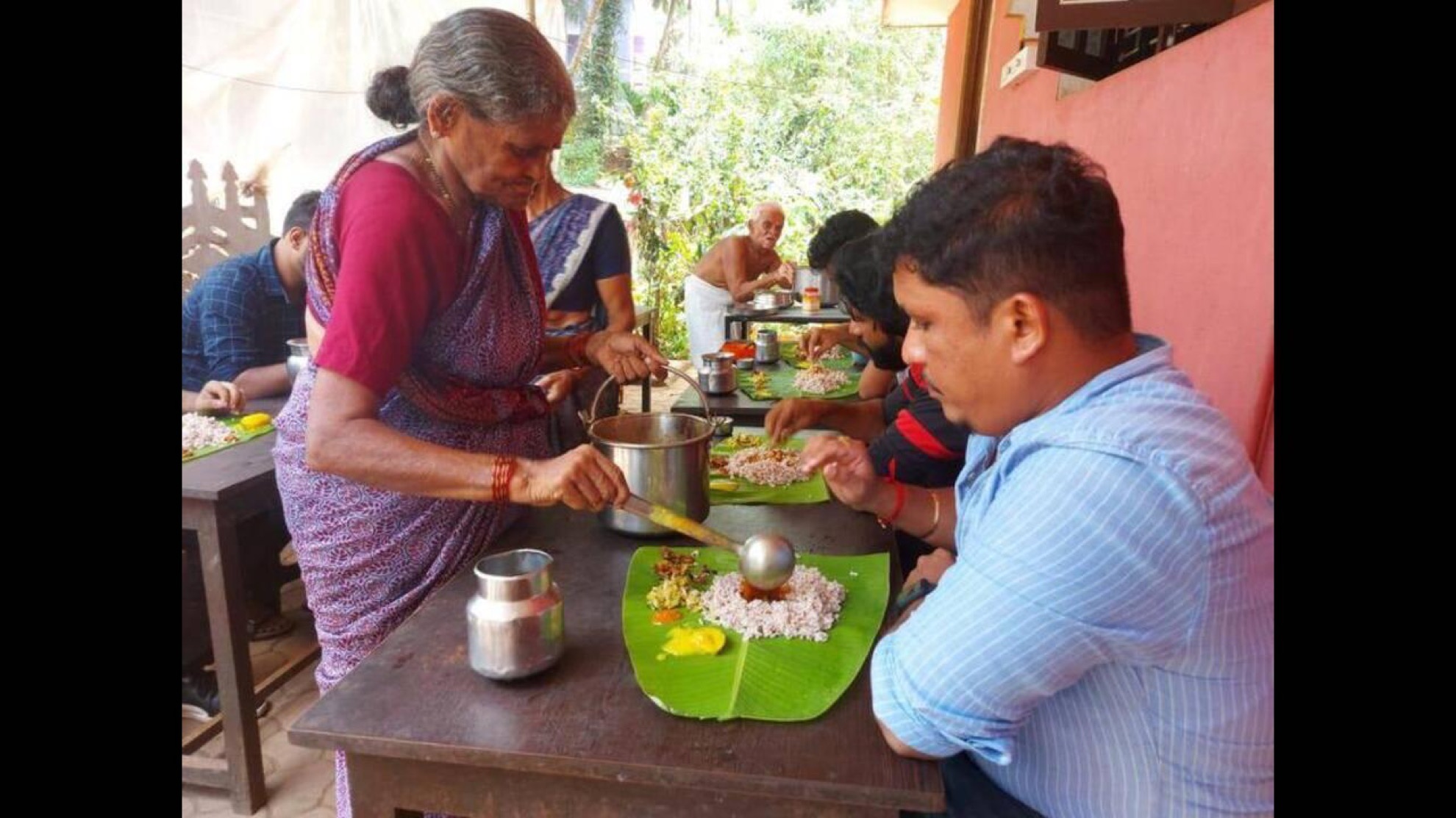
Ask what is cooked in the house, or what arrived at the market that morning. A meal from nearby is one of the simplest ways to understand where you are, and it keeps the afternoon from turning into a search for something familiar.
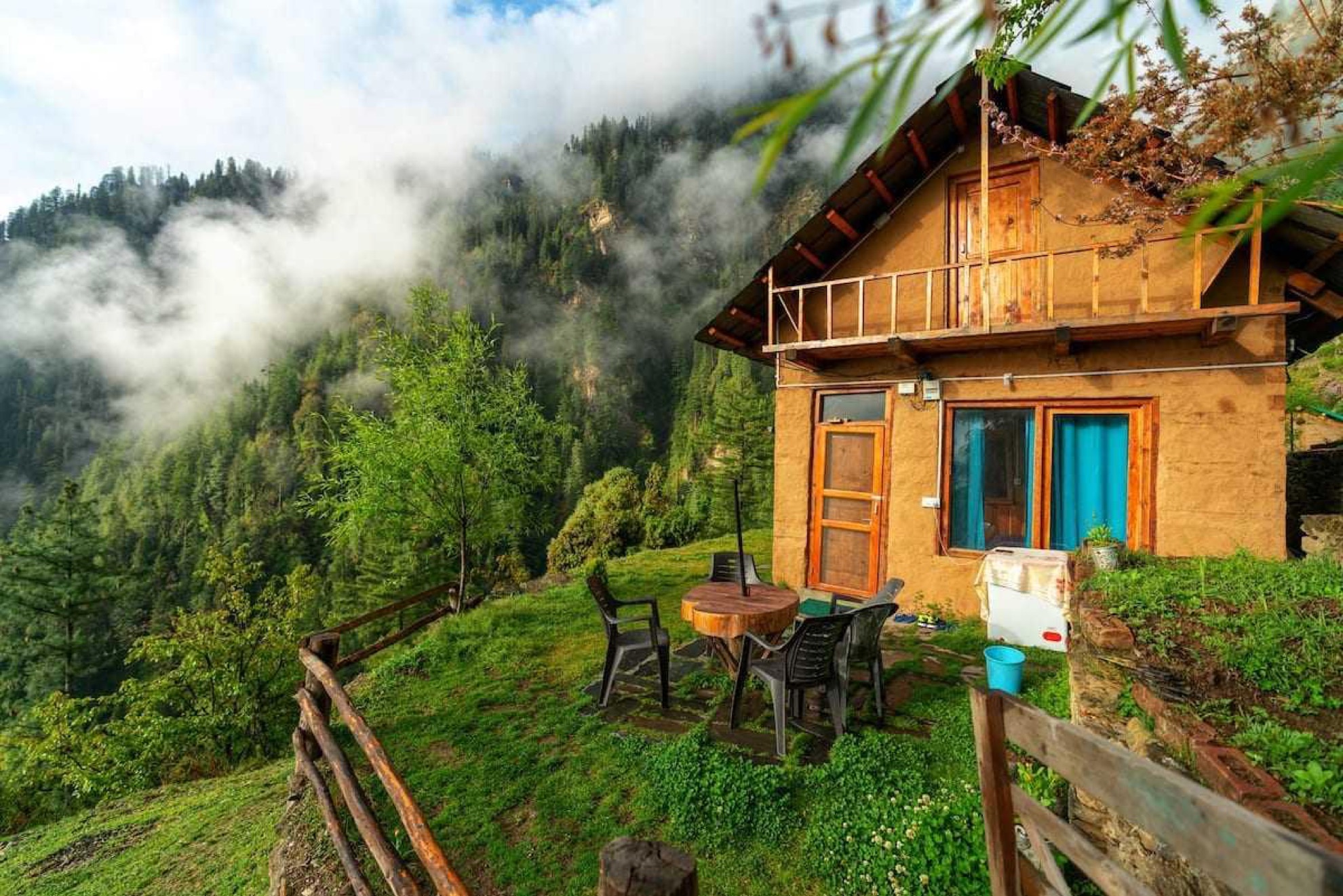
Consider homestays, guesthouses, and locally run accommodation. Look beyond the room itself at the people who run the place, its surroundings, and whether it suits the kind of trip you want
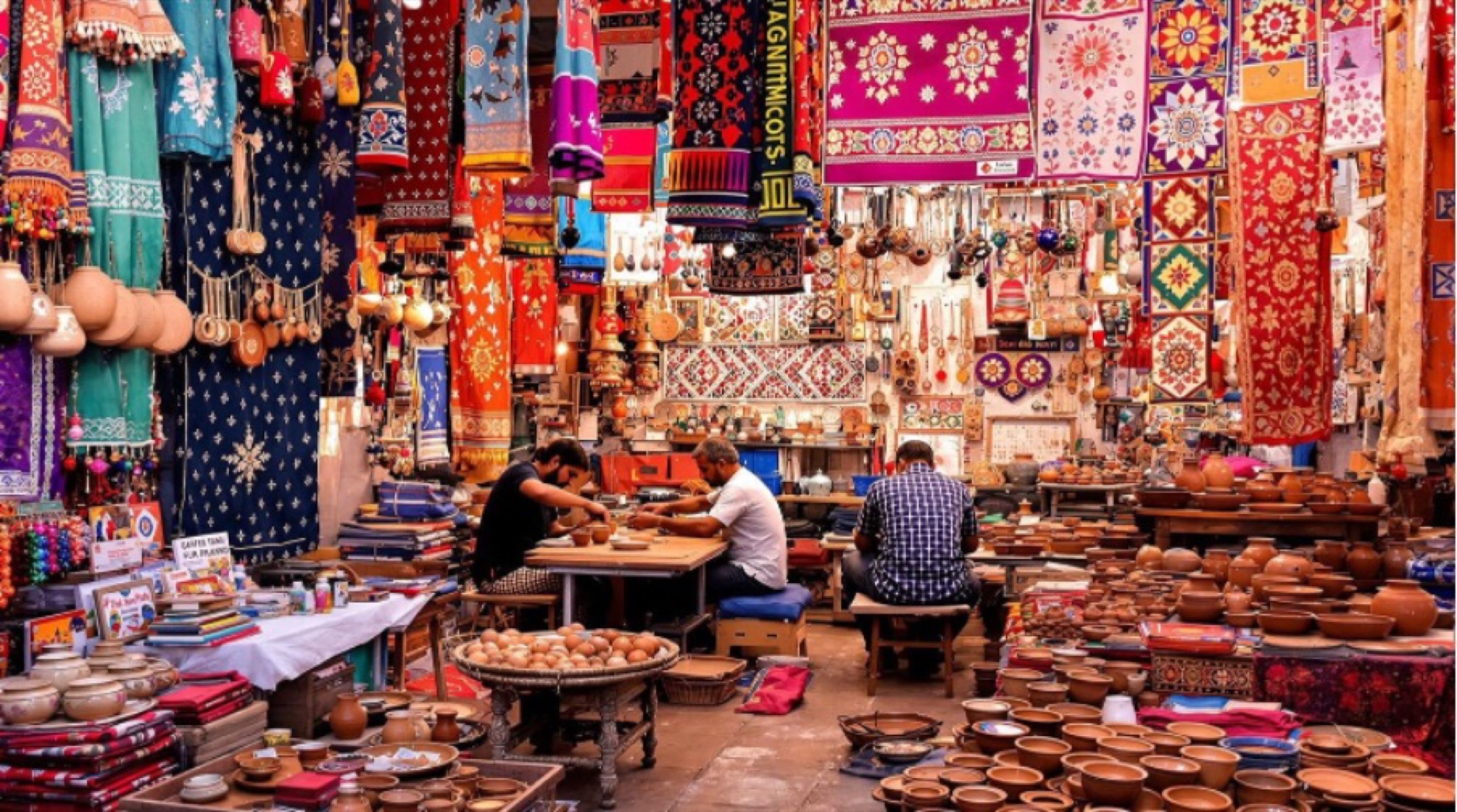
When you want to buy something, look for locally sourced products. Buying directly from local makers, where possible, helps more of your spending stay within the community